Beavers were last recorded around Loch Ness in about 1527; nearly 500 years later, Scotland has licensed conservation groups to release up to 15 beaver families into the River Ness catchment over three years.
Read the full story at Times of India
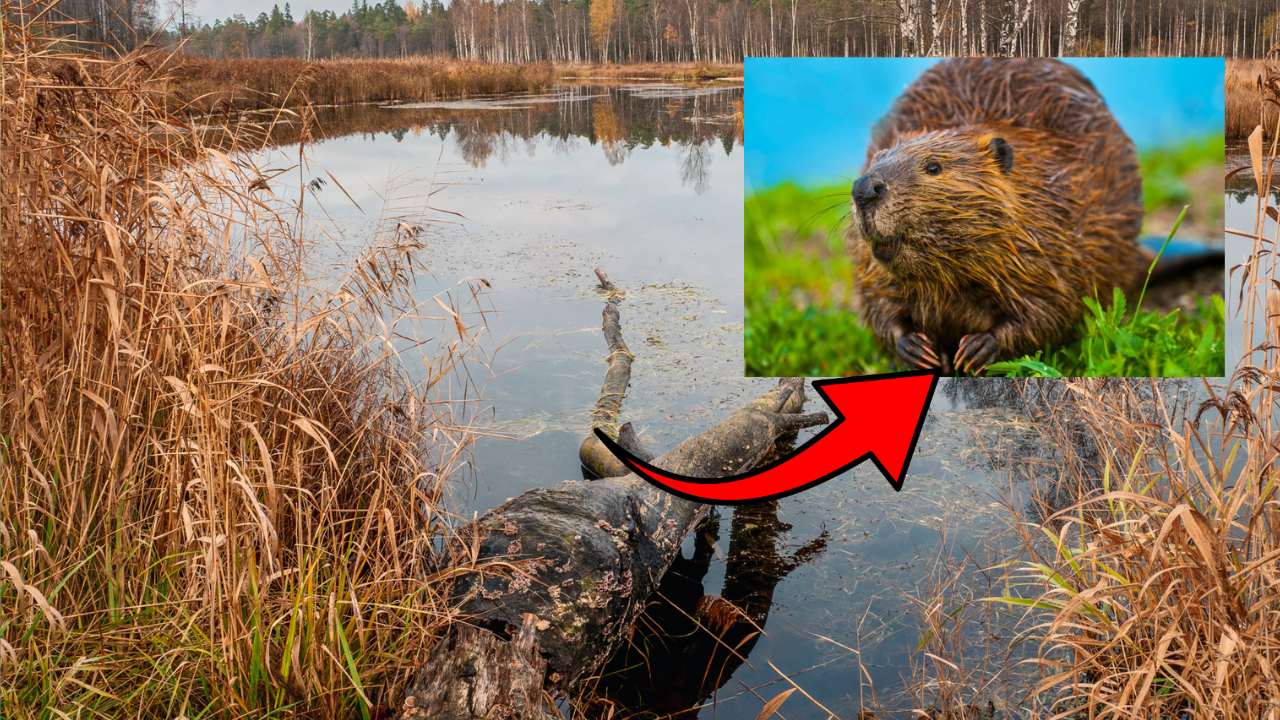
Every coin has two sides. While human civilisation continues to move forward at a breathtaking pace, driven by trade, industry and technological advancements, somebody else often has to pay the price for it. The natural world has been one of the biggest victims of this progress, with several species being pushed to the brink of extinction.
Beavers were among them. Once native to Scotland, these industrious mammals were hunted extensively for their fur, meat and castoreum, a secretion that was highly valued in the perfume trade. Centuries of exploitation eventually wiped them out from the Scottish landscape.
Now, nearly 500 years later, they are preparing to make a comeback around Loch Ness.On October 30, 2026, NatureScot, Scotland's nature conservation agency, announced that a licence had been granted to two conservation organisations, Trees for Life and Beaver Trust, to bring beavers back to the River Ness catchment.
More environment
- भारतको मौसम विभागले भन्यो- बंगालको खाडीमा फेरि चक्रवात बन्ने सम्भावना देखियोNepal Khabar
- कृषि मन्त्री चौधरी र जीजीजीआईका कार्यकारी निर्देशक किमबीच भेटवार्ता, जलवायु सहकार्य र कृषिका विषयमा छलफलDC Nepal
- भोटेकोशी बाढी प्रभावितको पुनःस्थापना: मासिक खर्च दिने निर्णय, जग्गा साट्नेबारे छलफलNagarik News
- नेपालका २५ लाख हेक्टर वनमा कार्बन कार्यक्रम विकास गर्ने सहमतिOnlinekhabar (Nepali)
- मञ्जुश्रीको पदचाप पछ्याउँदै हिमालको काखमाOnlinekhabar (Nepali)
- मदिरा सेवन गरी गाडी चलाएको आरोपमा अमेरिकी वायुसेनाका क्याप्टेन पक्राउThaha Khabar