Constitution review mired in political debate as parties fail to agree on scope of amendment
Read the full story at Kathmandu Post
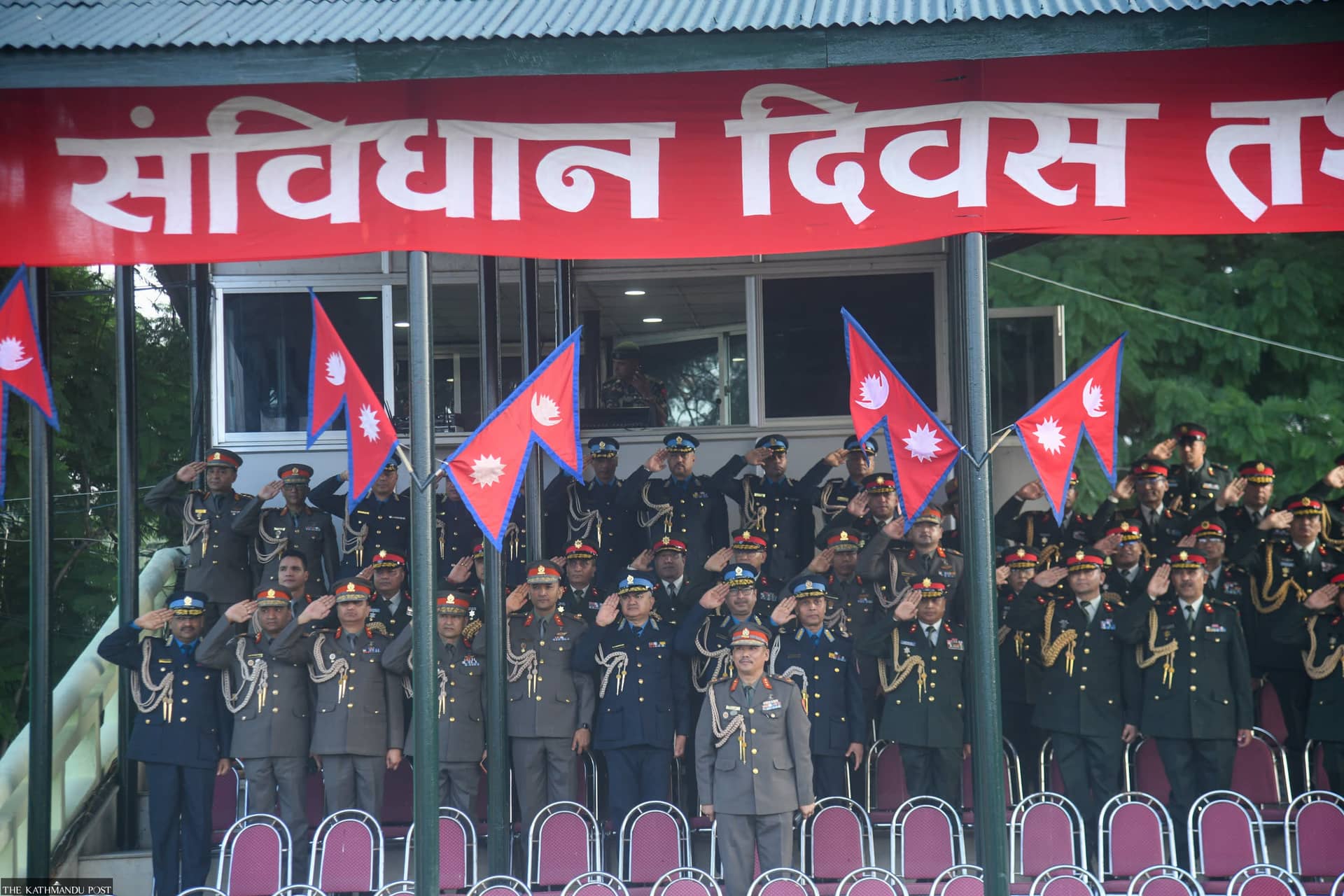
Eleven years after the Constitution of Nepal was promulgated , debates surrounding its amendment remain confined to political speeches and working papers, with no tangible roadmap or cross-party consensus in sight. Although major political entities—the Rastriya Swatantra Party (RSP), the Nepali Congress, the CPN-UML, and the Nepali Communist Party (NCP)—have consistently highlighted constitutional reform in their political documents, concrete plans and a conducive political environment remain elusive. In March 2026, the Balendra Shah-led government unveiled a 100-point administrative reform agenda, which included a commitment to formulate an official discussion paper to build national consensus on constitutional amendments. Following a Cabinet decision on March 30, a task force was formed under Asim Shah, PM’s political adviser. The task force began its work on April 8 and submitted its report on July 16. However, the government has yet to make the report public.
The report proposes to amend 245 of the constitution’s 308 articles—nearly 80 percent of the statute. This sweeping scope has alarmed the political parties that originally drafted and passed the 2015 charter. Mainstream forces, including the Congress, the UML, the NCP and several Madhesh-based parties, have publicly questioned the government’s intent, asking whether the exercise aims to amend the constitution or rewrite it entirely. The debate over constitutional reform is hardly new. Previous ruling coalitions, including the Congress-UML alliance, were formed on the explicit promise of revising the statute. Despite governing for 14 months with a combined legislative majority, that coalition failed to form even a preliminary committee dedicated to constitutional review.
The political landscape changed dramatically following last year’s Gen Z movement. Triggered by widespread anger over systemic corruption, bad governance, and long-standing lack of accountability, the movement toppled the KP Sharma Oli-led government and triggered the dissolution of the House of Representatives. The subsequent elections on March 5 established a new political order. PM Shah assumed office with nearly a two-thirds majority in the House of Representatives, making constitutional reform a central plank of his administration's platform. However, despite initiating the process with the task force, the government continues to struggle with deep suspicions from opposition parties.
This is a short excerpt. EkJhalak links out rather than reproducing other newsrooms’ work — continue at Kathmandu Post.
More politics
- आज एमालेका दुईवटा महत्वपूर्ण बैठक बस्दैNepal Khabar
- परराष्ट्रमन्त्री खनाल आज न्युयोर्क प्रस्थान गर्दैNepal Khabar
- गोरुगाडामा मोटरसाइकल ठोकिँदा युवकको मृत्युNepal Khabar
- रास्वपाको सचिवालय बैठक बस्दैNepal Khabar
- पटेल–रमणले अलपत्र पारेको सुनकोसी मरिणमा काम गर्न चीन, भारत र भियतनामका कम्पनीको प्रस्तावNepal Khabar
- घरमा आगो लाग्दा हजुरबाको मृत्यु, नातिनीले भागेर जोगाइन् ज्यानNepal Khabar