Not in a mould | Anant Nag
Read the full story at The Hindu
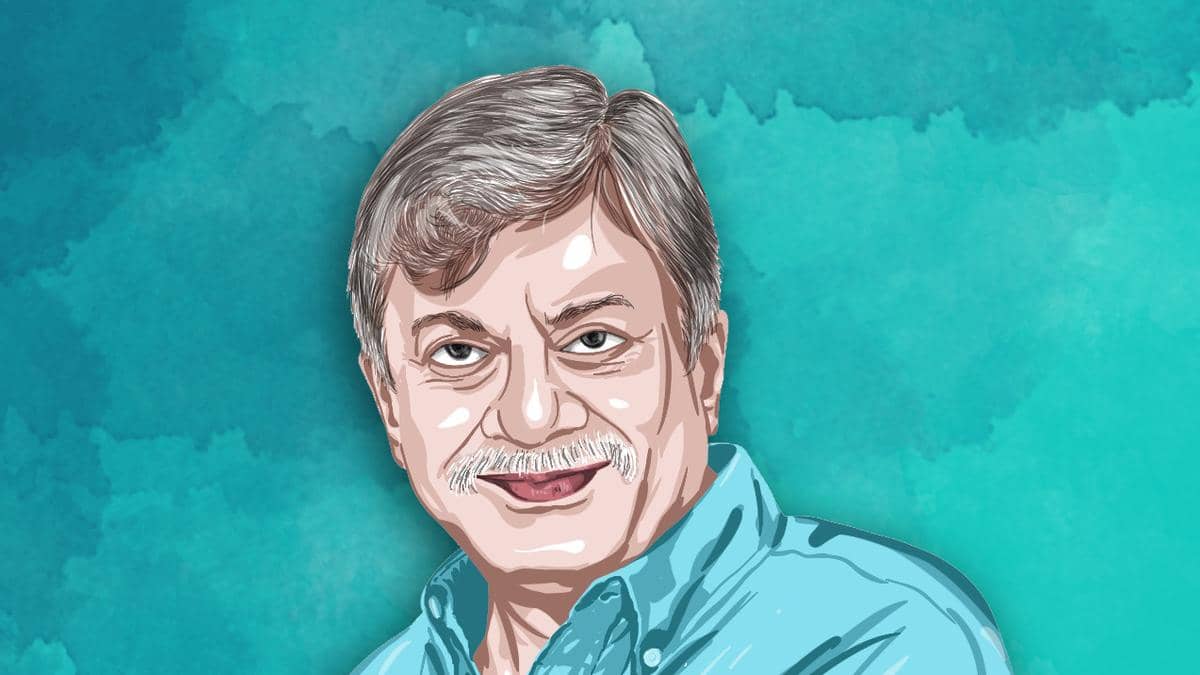
“I would call it behaving, not acting,” veteran actor Anant Nag once said, pithily summing up his approach to the craft. With his skills forged on the Mumbai stage and not in a film school, reliance on what he called “behavioural” acting has stood Nag in good stead as he has easily moved between parallel and commercial cinema, exploring multiple genres from social drama to romance to comedy to horror. The actor will, on September 22, receive the Dadasaheb Phalke Award for 2024, for his contribution to Indian cinema over five decades, at the 72nd National Film Awards ceremony in Gujarat. He was awarded Padma Bhushan last year. Nag is the second Kannada actor to win the Phalke after Dr. Rajkumar.
Born in 1948 in Uttara Kannada district in coastal Karnataka, Nag spent his childhood in a religious math and an ashram where his parents worked. Moving to Mumbai in his early teens for schooling was a culture shock, but he found his feet in Mumbai’s vibrant theatre world of the 1960s and 70s, acting in Konkani, Kannada and Hindi plays. Nag’s transition to cinema came in 1973 with Sankalpa by P.V. Nanjaraje Urs in which he played a rationalist pitted against religious faith. A year later, he was introduced to Shyam Benegal with whom he worked in six films that remain milestones of Indian new wave cinema of the 1970s and early 80s, starting with Ankur, where he plays a complex-ridden son of a landlord. Nishant, Manthan, Bhumika, Kondura and Kalyug followed, offering him a range of roles with grey shades.
Nag has often said his move to commercial cinema followed a realisation that a full-time career was hard in parallel cinema. Bayalu Daari (1977) was his first major commercial hit as a romantic lead, and a string of others followed such as Chandanada Gombe, Benkiya Bale and Naa Ninna Bidalare. He played the vulnerable middle-class protagonist in many of these based on popular novels, and his on-screen pairing with Lakshmi was a particular hit. Interestingly, Nag was popular in an era of superstars like Rajkumar, Vishnuvardhan and Ambarish, who had fan clubs that often competed with each other. Nag, despite his huge fan following, steered clear of this phenomenon, perhaps partly because he was never an “action hero”, and partly because he defied being cast in a mould. An important phase of his acting career was his collaborations with his younger brother Shankar Nag, a maverick talent of Kannada film and theatre, who died in an accident in 1990.
More world
- Two killed in 'massive' Ukrainian drone attack on Moscow region, says RussiaBBC
- 'Uncouth, Foul-Mouthed': BJP On Rahul Gandhi's "Maa" Remarks With ComicNDTV
- Australia news live: Melbourne finishes second-last at world tram driving championships; Chalmers says Australia’s 40-year outlook ‘confronting’The Guardian
- अमेरिकासँग फेरि वार्ता सुरू गर्न इरानले राख्यो ७ वटा सर्तSetopati
- What is the India-Pakistan conflict at sea about? | ExplainedThe Hindu
- Asian Games 2026: India women open table tennis campaign with 3-0 win over IndonesiaThe Hindu