India puts food before fuel as El Niño dents ethanol ambitions
Read the full story at Kathmandu Post
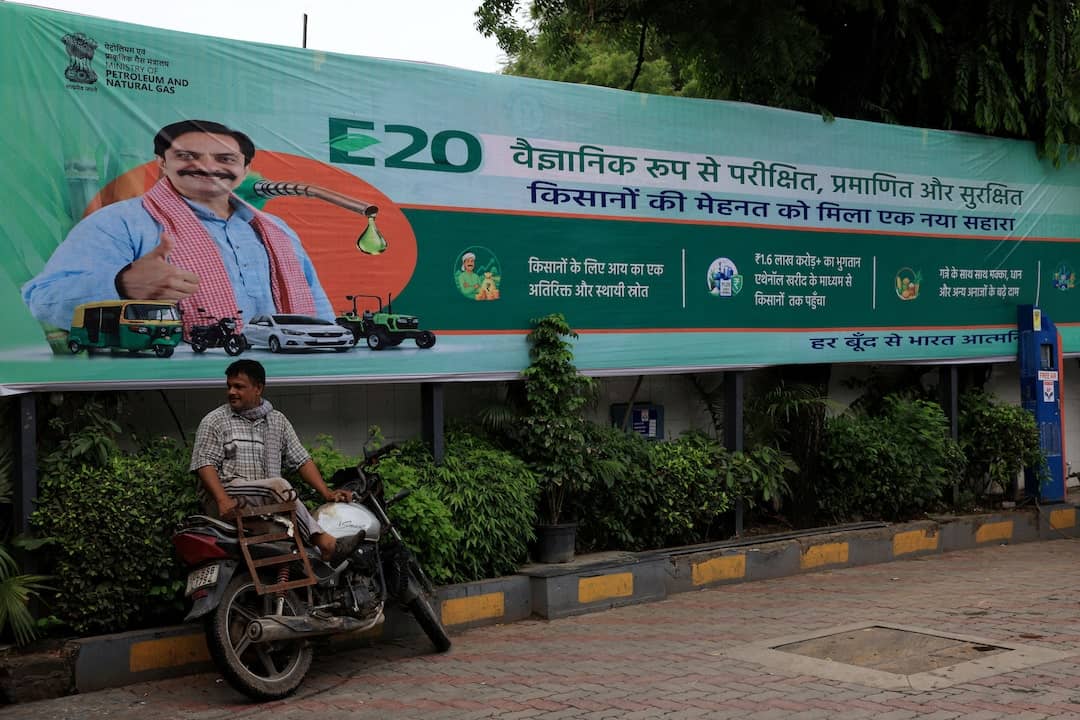
India’s drive to replace imported oil with home-grown biofuel faces a setback as the lowest monsoon rainfall in more than a decade hits corn and sugarcane crops, forcing New Delhi to prioritise food security over ethanol production. A sustained drop in ethanol use would undermine one of Prime Minister Narendra Modi’s signature energy-security programmes and leave India more reliant on overseas crude at a volatile time for energy prices amid persistent geopolitical uncertainty.
The E20 initiative has saved nearly 2 trillion rupees ($21.1 billion) in oil import costs since Modi came to power in 2014, according to government data, with annual savings estimated at 430 billion rupees at the 20% ethanol blending rate. However, a severe El Niño this year cut India’s monsoon rainfall by nearly 13% from normal levels, and concerns about crop shortages sent corn and sugar soaring some 40% to hit record highs, while rice — another ethanol feedstock — climbed 20%.
Retail food inflation accelerated to 7.74% in September from 5.97% a month earlier.
More world
- मध्यावधि चुनावमा रिपब्लिकनको हार, इरान युद्ध कारण भएको स्वीकारNepal Khabar
- Kathmandu expects over $2 billion in loans and grants from DelhiKathmandu Post
- Misri meets Khanal, discusses Nepal-India tiesKathmandu Post
- Indian Foreign Secretary Misri arrives in Kathmandu ahead of Shah’s India visitKathmandu Post
- India to make visa applications easier for foreign travellersThe Hindu
- Essar Renewables signs Power Purchase Agreement with NHPC for 300 MW projectThe Hindu