Bat Skulls Shrink Over Decades: Malagasy flying fox skulls are 6% smaller; commercial hunting may contribute
Read the full story at Times of India
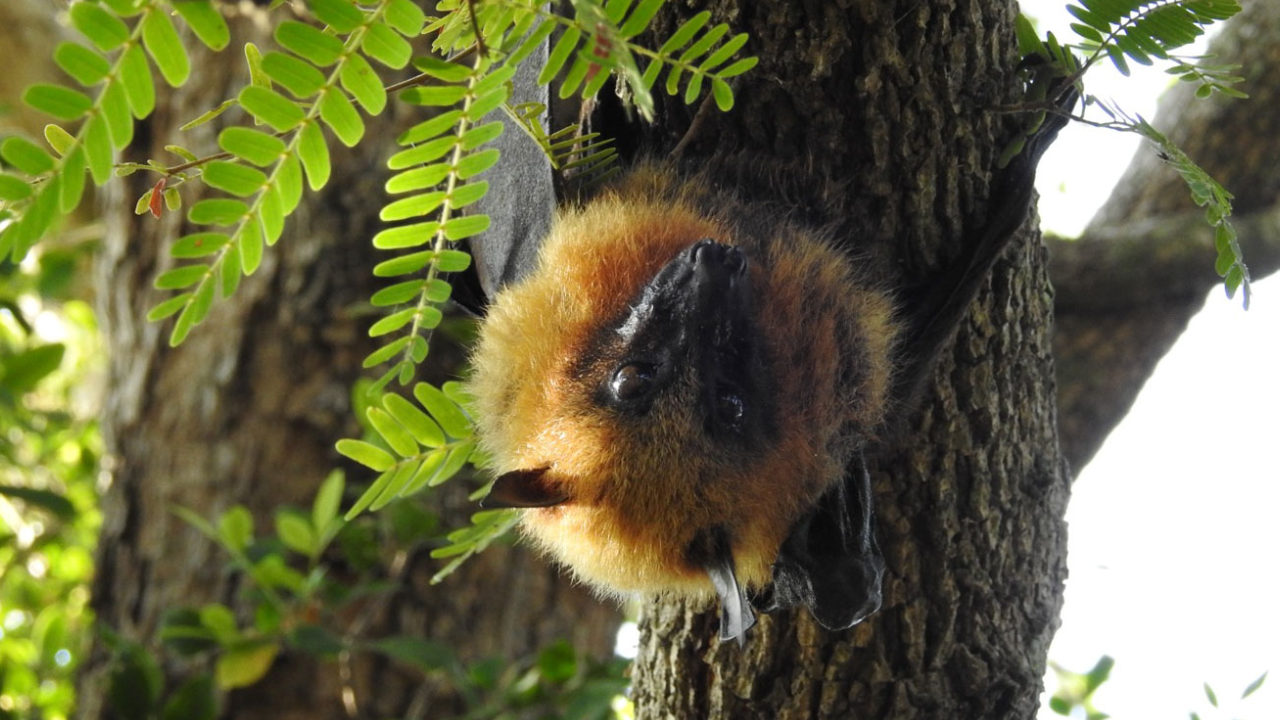
One of Madagascar’s largest bat species is showing a striking physical change, with researchers finding that its skulls have become approximately 6 per cent smaller over the past four decades. The findings, published in the Journal of Mammalogy on October 29, 2026, point towards a possible connection between shrinking body size and increased hunting pressure.
The research, also reported by Science News and conservation-focused publications, raises fresh questions about how human activity is changing wildlife populations and threatening species already facing population decline. The Malagasy flying fox (Pteropus rufus), known for its impressive wingspan and fox-like facial features, is among the world's largest bats.
Found across Madagascar, these fruit-eating mammals play an important ecological role by dispersing seeds and helping maintain forest ecosystems. The research was led by Emily Cornelius Ruhs and Steven Goodman of Chicago's Field Museum.
More world
- Joseph scores record-equalling five tries as England rout JapanBBC
- Italy fines Meta €805m over accessing users' photosBBC
- Transport chief blames US-wide flight disruptions on upgrade of old copper wiringSouth China Morning Post
- Pacific survey finds 15 breeding seabird species, 132 turtle nests and two unusual fish observationsTimes of India
- Anthropic’s valuation can’t secure its moatThe Hindu
- Philippines wins first Eurovision Song Contest AsiaBBC