Black-necked cranes: yet another reason to visit Bhutan
Read the full story at The Hindu
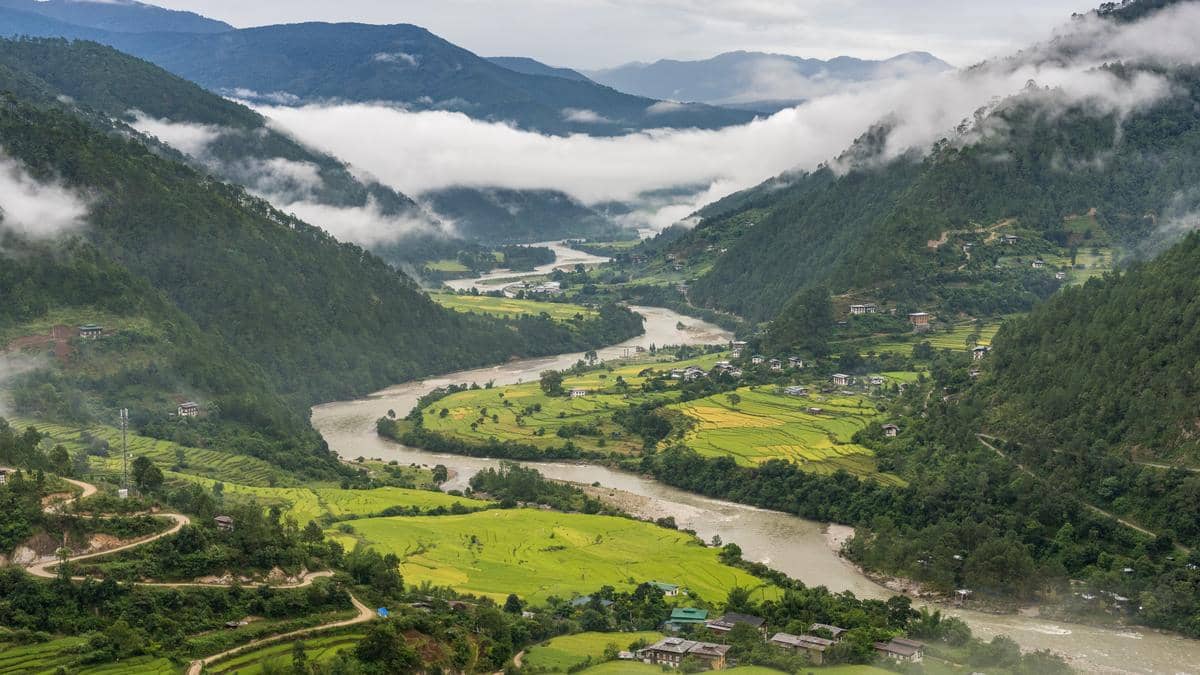
Isn’t it ironic that I came to Bhutan seeking some breathing space, and yet I am struggling to breathe? At 10,170 feet above sea level, the air is thinner and I find myself unnerved by the fact that I am huffing and puffing with each step. We are en route to the western valley region, but make a pitstop at the famous Dochula Pass, which connects the capital city of Thimphu with the historic valley and former capital, Punakha.
Although I consider myself relatively fit, the unfamiliar sensation of mountain sickness leaves me panic stricken. “Don’t worry, I will hold your hand, and we can climb up slowly,” says my 24-year-old guide Kinley. Dressed in the traditional kira (an unstitched ankle-length dress), her porcelain skin glowing, her calm demeanour reassures me.
My efforts are amply rewarded. I not only get to see the Himalayas in 360 degree glory — across which the endangered black-necked cranes migrate to Bhutan from the Tibetan Plateau — but also Gangkhar Puensum, the tallest unclimbed mountain (at 24,840 feet) in the world.
More world
- Nepal’s remaining Bhutanese refugees seek legal recognitionKathmandu Post
- Reconstruction aid, strategic ties, pending disputes on PM’s India visit agendaKathmandu Post
- DVAC registers FIR in multi-crore sand mining case in Tamil NaduThe Hindu
- Elephant calf with genetic bone disorder to be flown from Keralam to Gujarat’s Vantara for specialised treatmentThe Hindu
- Restoration of Kashmir’s Malshahi Masjid could erase a Mughal-era layer, warn conservationistsThe Hindu
- ‘Best ever September’: Auto retail sales surge 32% year-on-yearThe Hindu