Palestine Action ban undermined confidence in anti-terror laws, Supreme Court told
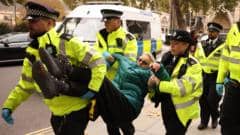
The banning of Palestine Action has led to a "crisis in confidence" in the UK's anti-terrorism laws and triggered unprecedented civil disobedience from law-abiding protesters, the Supreme Court has been told. Opening a major legal challenge to the group's proscription last year, lawyers for co-founder Huda Ammori said that no other protest organisation had been treated the same way.
They told the five justices that the UK's highest court had never before had to consider whether banning a group under terrorism legislation was compatible with freedom of speech and protest. Twenty-seven protesters were arrested outside the Supreme Court on Wednesday as the hearing took place, the Metropolitan Police said.
Lawyers for Ammori told the court that thousands of elderly people, many veterans of other radical causes, had been arrested for holding up signs supportive of the group since its proscription. Home Office figures seen by the BBC indicate that there have been more than 4,000 arrests so far at protests in which people have held up signs supportive of the group.
More society
- MEPs fear fundamental rights will take a hit under plans to expand EU border agencyPolitico Europe
- Court grants bail to driver of bus in Bhandup accident caseThe Hindu
- HC summons Madurai Commissioner of PoliceThe Hindu
- Nirmala Lakshman’s book wins Sharjah awardThe Hindu
- Russian attacks disrupt power in Kyiv, while death toll in a stricken village rises to 40The Hindu
- An 80-Cent Plastic Pouch Is Saving Thousands of Women From Dying in ChildbirthThe New York Times