The university that taught us to question must learn to be questioned
Read the full story at The Hindu
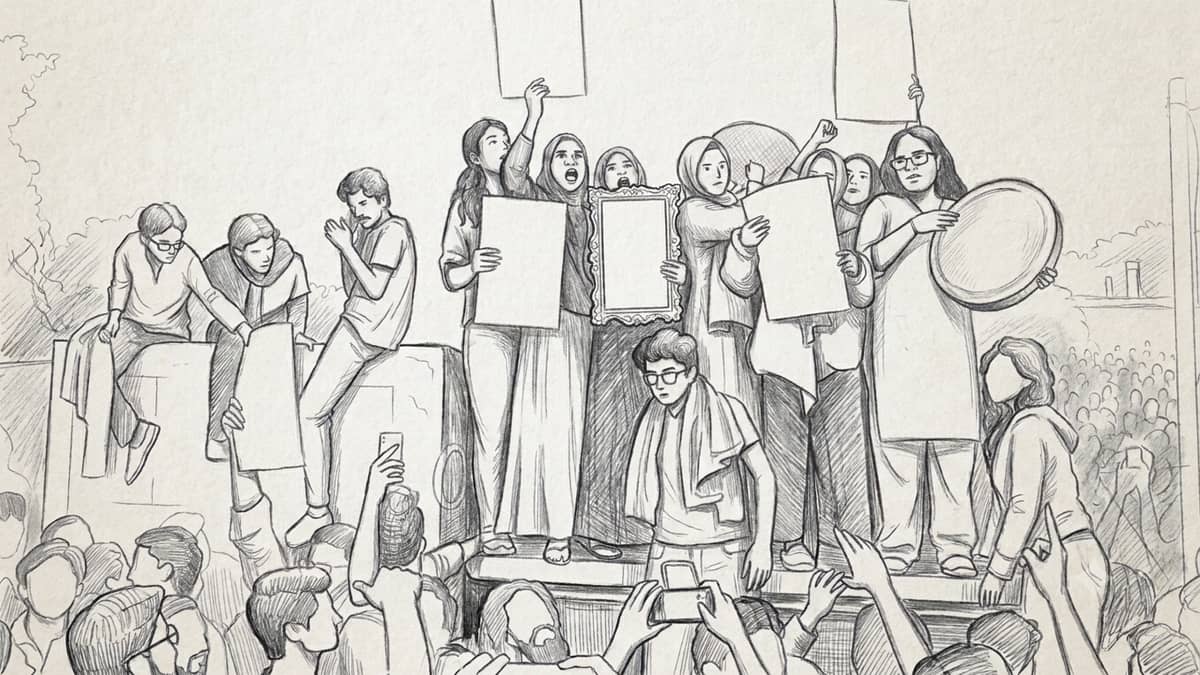
I write this not as a detached observer, but as someone whose understanding of the world was built, brick by brick, in Jamia Millia Islamia’s lawns, corridors and presence. At 21, I was a journalism student there during the years of the anti-CAA and NRC protests (2019-2021), witnessing and reporting on a moment that would shape not only the university but an entire generation. Jamia shaped the journalists and people we became, the questions we learnt to ask and the importance we came to place on documenting dissent, especially when those exercising power would rather it went undocumented.
Jamia has long occupied a particular place in India’s political imagination. Born out of the anti-colonial movement, it has repeatedly been a site of student mobilisation, resistance and political assertion. Students at Jamia have taken to the streets not only for themselves but also in response to larger questions of citizenship and constitutional rights.
Yet, for nearly two decades, the university has not had an elected students’ union.
More society
- तिहार र छठका लागि बससेवामा अग्रिम टिकट बुकिङ खुल्लाNepal Khabar
- Can women work in Keralam’s toddy shops? Kerala High Court answers | ExplainedThe Hindu
- Draft report on implementation of Labour Codes moots higher minimum wages, wider eligibility for bonusThe Hindu
- Removed police chief seeks legal adviceKathmandu Post
- Who is Manoj KC, the officer now leading Nepal Police?Kathmandu Post
- Kathmandu Film Festival puts Nepali cinema’s past, present and future in focusKathmandu Post