NASA's Swift space telescope plunges back to Earth in fiery demise
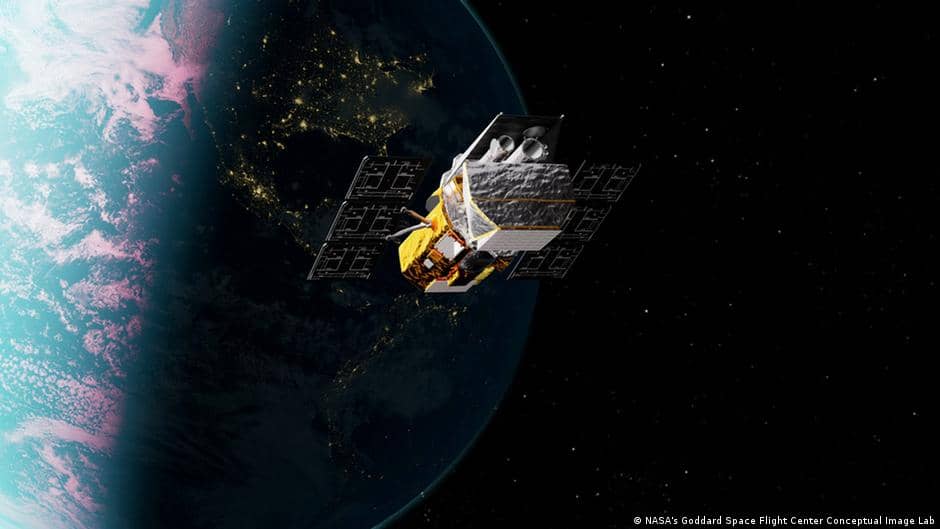
NASA's Swift orbital observatory fell back to Earth after running its mission for more than two decades. A rescue attempt to raise its sinking orbit had earlier failed. A premier NASA space telescope met a fiery end as it crashed back to Earth — two decades after its launch — following the failure of a rescue mission.
The unmanned Neil Gehrels Swift Observatory re-entered the Earth's atmosphere over the North Sumatra region of Indonesia on Wednesday at 7.39 am EST (12.39 pm UTC), the US space agency said. Most of the spacecraft was expected to have burnt up as it traveled through the atmosphere, NASA said, adding that some components may have survived re-entry. The observatory was tasked with studying gamma ray bursts, the biggest energy blasts in universe for two years.
But its mission spanned 11 times longer than planned, lasting just a few days short of 22 years. The satellite, which was in a good condition, fell out of orbit partly due to powerful geomagnetic storms set off by solar eruptions.
More world
- India secures 4,700MW in Nepal, but little progress on projectsKathmandu Post
- In Kathmandu, Misri discusses potential agenda for PM Shah’s India visitKathmandu Post
- जेडी भान्सले भने : इरान युद्धका कारण हामीले चुनाव हार्यौँNepal Khabar
- The Papers: 'Crushing midterm rebuke' and 'Trumped'BBC
- Collins Dictionary chooses ’mogging’ as its 2026 word of the yearThe Hindu
- Hong Kong democracy activist Joshua Wong sentenced to 10 more yearsDW