How the Supreme Court shaped due process in death penalty cases
Read the full story at The Hindu
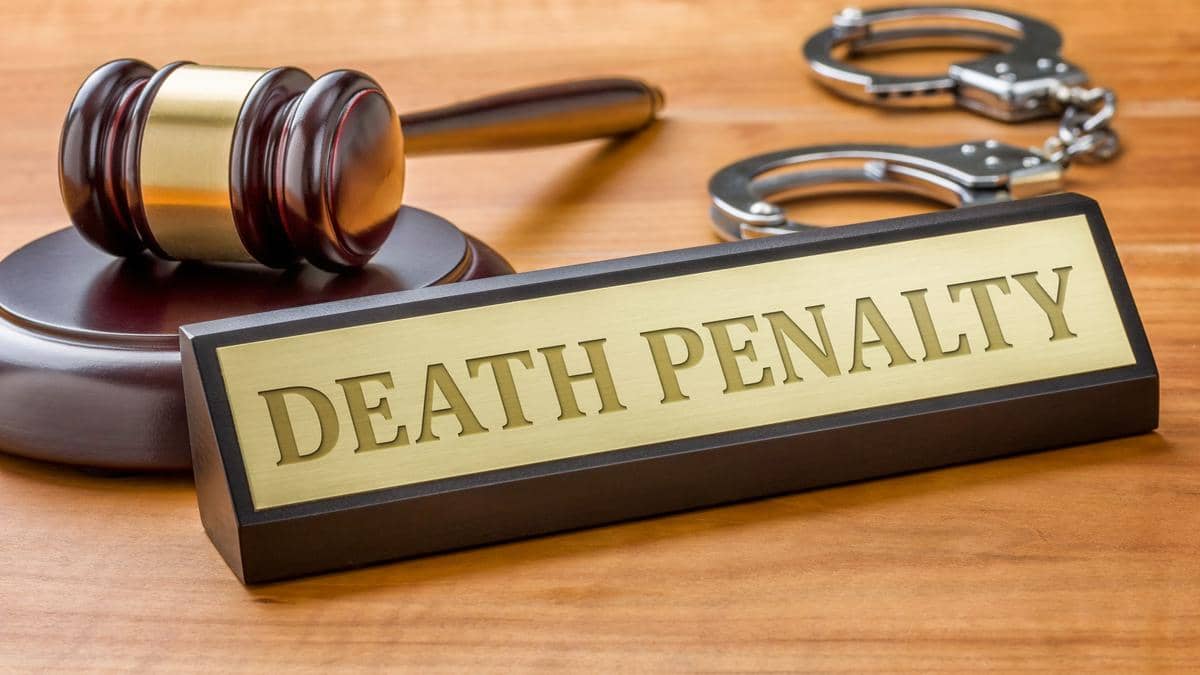
The Day Against the Death Penalty, observed on October 10, offered a fitting moment to look back on how the Supreme Court’s 1980 safeguards, laid down when it upheld capital punishment, have fared over the past four decades. In Bachan Singh v.
State of Punjab (1980), the Constitution Bench upheld the death penalty, but imposed specific conditions in the shape of guidelines for the exercise of judicial discretion. Following the legislative scheme of Section 354(3) of the CrPC, now Section 393(3) of the Bharatiya Nagarik Suraksha Sanhita (BNSS), 2023, life imprisonment was to be the norm, and death sentence could be imposed only for “special reasons”.
Courts were to weigh the circumstances of the crime alongside those of the accused, and impose death only where life imprisonment was “unquestionably foreclosed”.
More society
- Future City Police to auction 244 unclaimed vehicles, owners given six months to stake claimsThe Hindu
- Fewer mothers to appear in court days after giving birth under new guidanceBBC
- Hungary releases secret police files from communist eraPolitico Europe
- Over 18,000 police personnel to be deployed for Deepavali in ChennaiThe Hindu
- Anbumani bats for 100% caste-based representationThe Hindu
- 9-Year-Old Girl Collapses In Classroom Of Delhi School, DiesNDTV